La Pianosa Research Base (BRP-CNR) is a support infrastructure for environmental and geosciences research activities of the National Research Council of Italy (CNR), located on Pianosa Island (Tuscan Archipelago), within the Tuscan Archipelago National Park.
The base is housed in a state-owned property (a former Carabinieri barracks), assigned to the CNR Department of Earth System Science and Environmental Technologies (DSSTTA) for permanent governmental use for institutional purposes. Following a major refurbishment carried out between 2019 and 2023, the facility is now fully operational and serves as a stable platform for interdisciplinary research, environmental monitoring, and science communication.
The Base includes accommodation facilities and living areas, laboratories for sample preparation and storage as well as basic chemical analyses, an outreach room, and an extensive network of scientific instruments providing continuous data acquisition.
The BRP–CNR hosts the CZO@Pianosa – Critical Zone Observatory, developed within the framework of the PNRR project ITINERIS – Italian Integrated Environmental Research Infrastructures System. It represents an advanced observation node for the study of Critical Zone processes and soil–vegetation–atmosphere interactions in a Mediterranean island environment. The Base is also part of the eLTER (Long-Term Ecosystem Research) network and is currently applying to join the ACTrIS network (Aerosol, Clouds and Trace Gases Research Infrastructure), further strengthening its role within long-term environmental observation infrastructures.
At the BRP–CNR, numerous PRIN, UNESCO, and other national and international projects are also carried out, focusing on the study of groundwater resources, marine and terrestrial ecosystems, biogeochemical cycles, and the effects of climate change in Mediterranean environments.
Moreover, the Base is equipped with an integrated continuous environmental monitoring network, which enables the acquisition of high-resolution temporal data on the main physical, chemical, and biological processes. The instrumentation includes: automatic chamber systems for monitoring soil CO₂ fluxes; an Eddy-Covariance tower for measuring ecosystem fluxes of CO₂, water vapour, and energy; probes for continuous measurement of soil temperature and moisture installed at different depths; fully equipped meteorological stations; a LiDAR system for atmospheric aerosol monitoring; sensors for measuring night sky quality (sky quality meters); and a hydrological and hydrogeological monitoring network consisting of three lysimeters and multiparametric probes.
The combination of these activities, regulated access, and limited anthropogenic pressure make Pianosa an ideal natural laboratory for the observation of environmental processes under near-natural conditions. It represents a key reference site for interdisciplinary and comparative research, with results that can be transferred to other insular and coastal contexts in the Mediterranean.
The acquired data are transmitted in real time to CNR institutes and, once validated, are made available in open access through dedicated repositories.
Data Repository
Zenodo Pianosa Community
Scientific Coordinator, BRP–CNR
Brunella Raco (CNR-IGG)
brunella.raco@cnr.it
Logistics Manager, BRP–CNR
Sandra Trifirò (CNR-IGG)
sandra.trifiro@cnr.it
Working group BRP
Brunella Raco (CNR-IGG)
Matia Menichini (CNR-IGG)
Silvia Merlino (CNR-ISMAR)
Sandra Trifirò (CNR-IGG)
Francesco Primo Vaccari (CNR-IBE)
Pianosa: the Island of Research
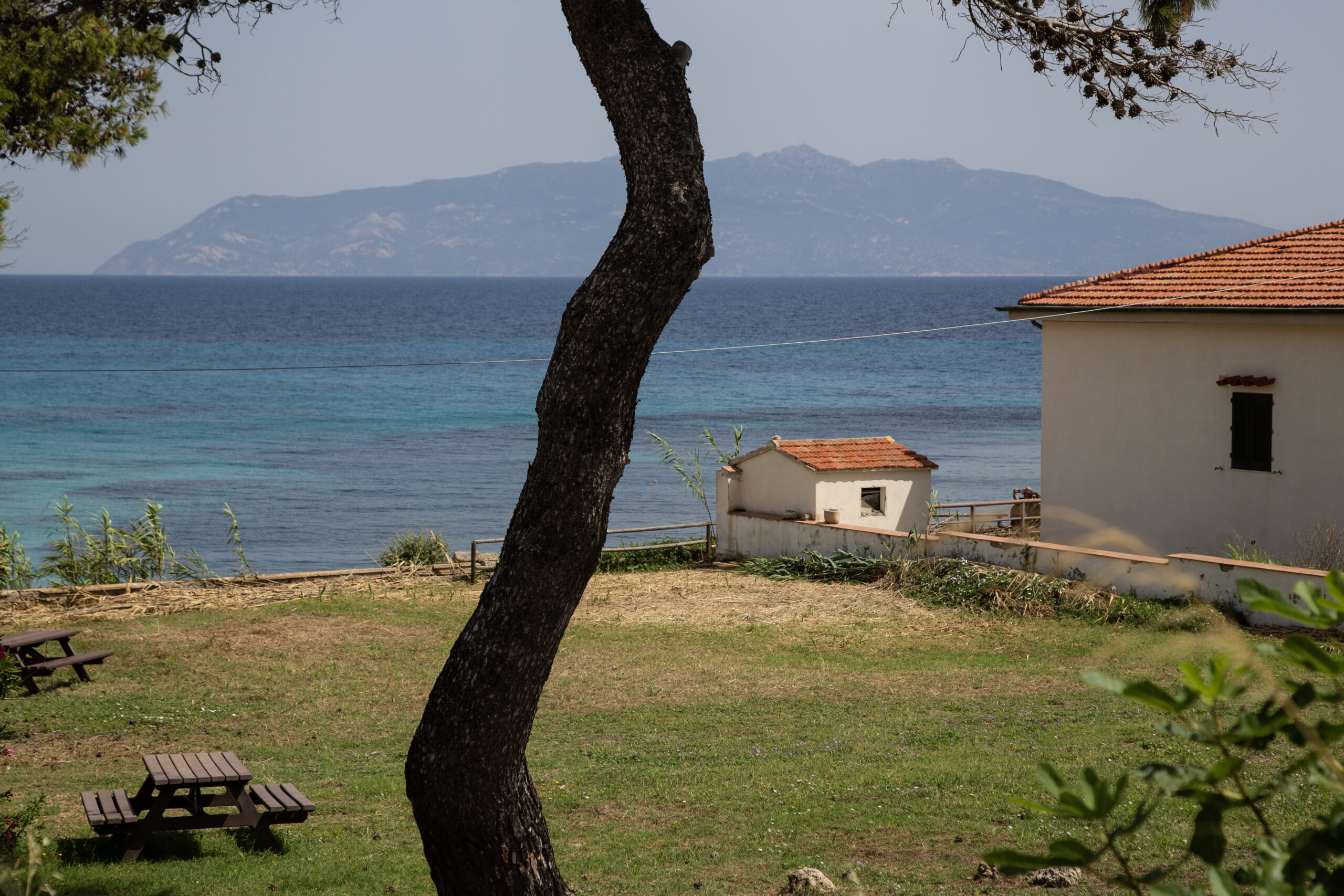
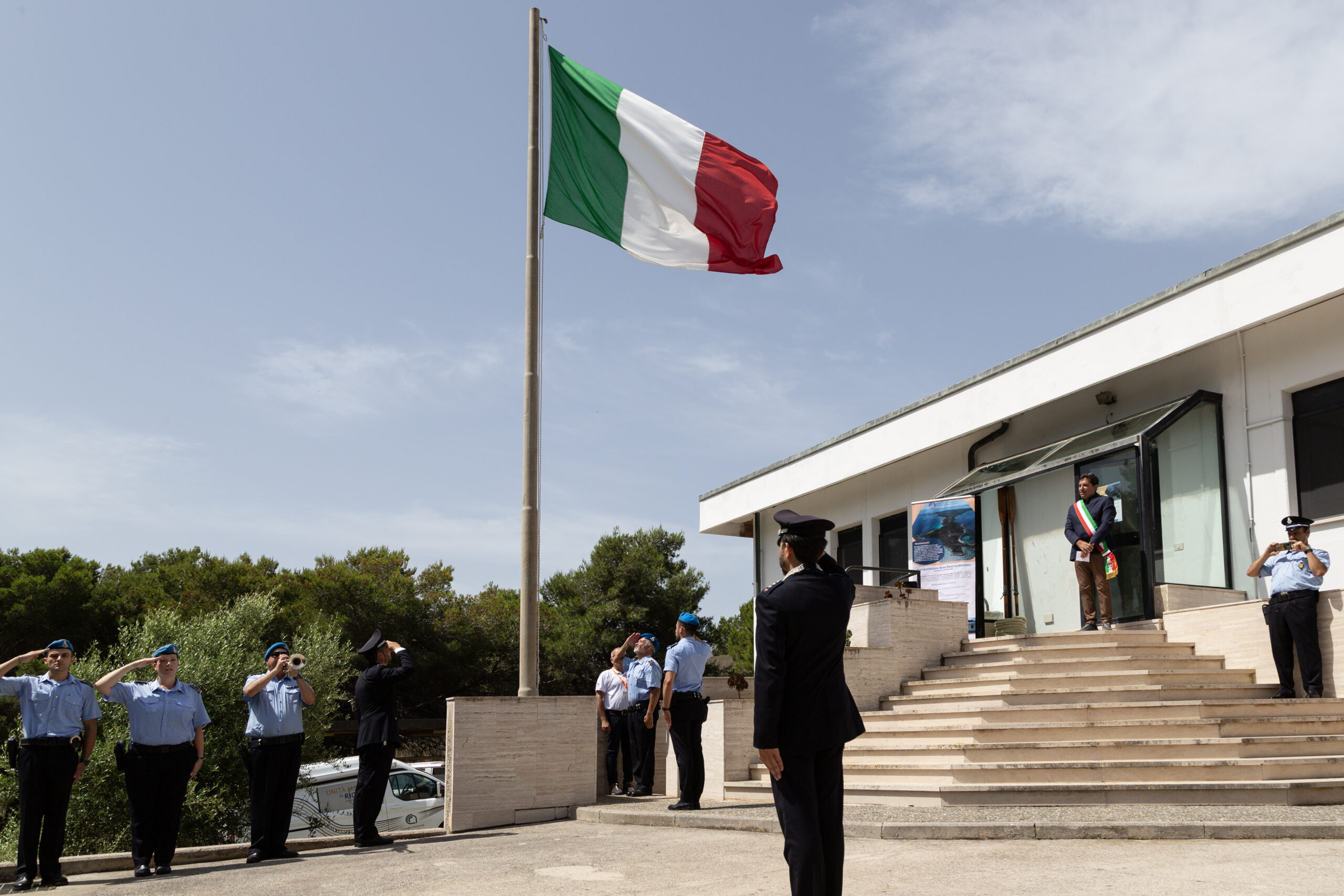
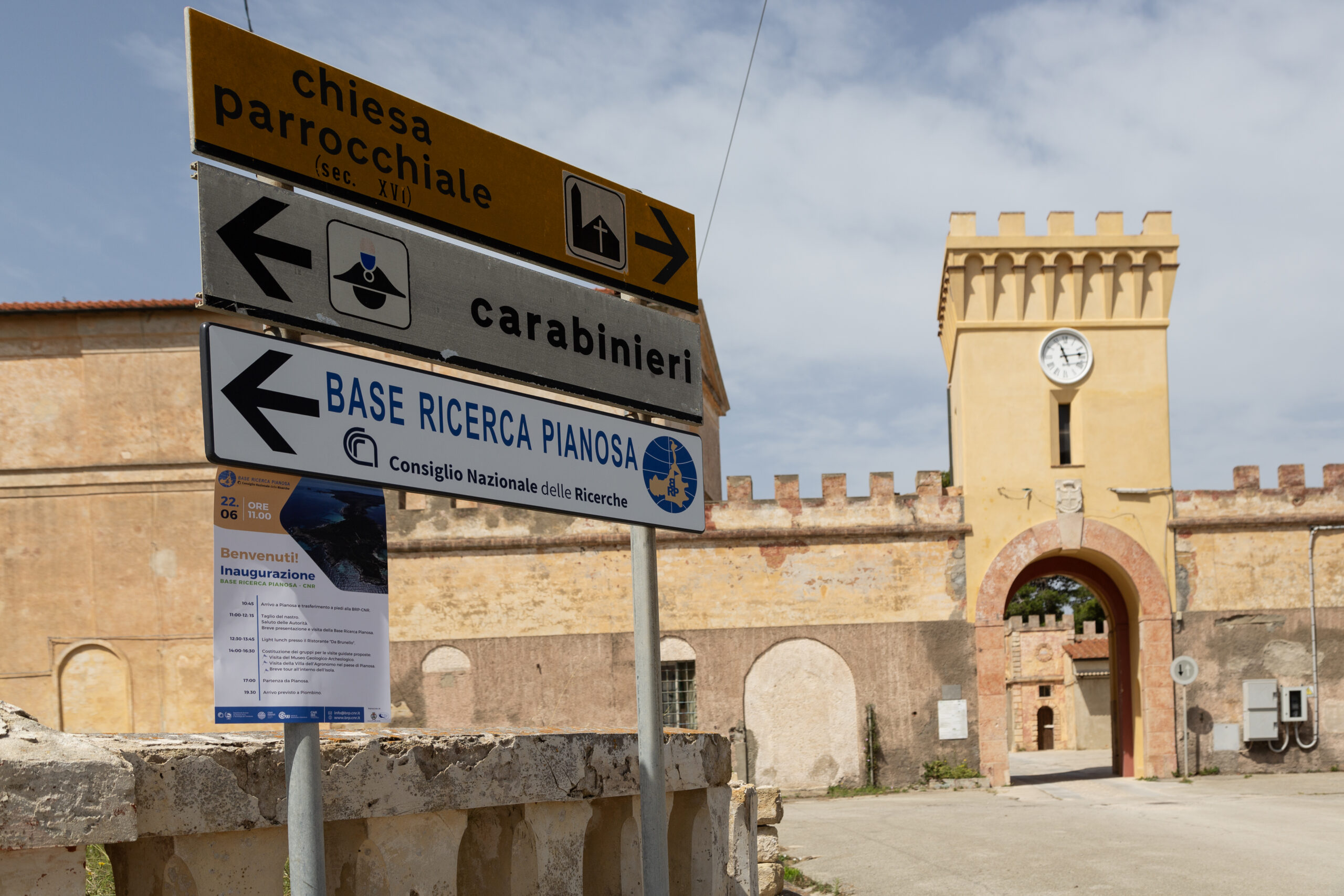
A collection of images showcasing the scientific base of Pianosa, featuring unique landscapes, fragile ecosystems, and research activities that explore the environment in all its complexity.