
Origin of thermal emissions in the Republic of Moldova and implications for geothermal potential
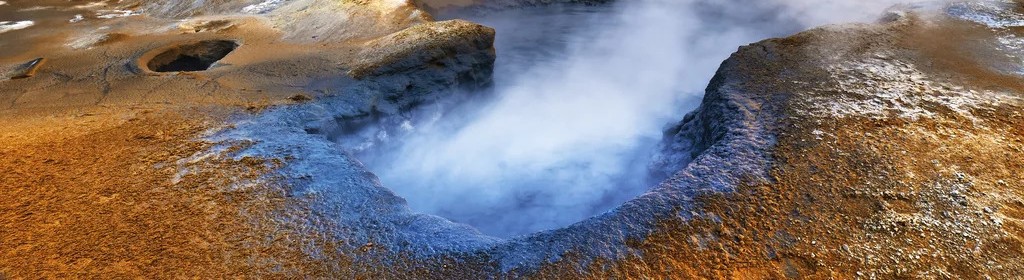
The existence of thermal-mineral waters is a prerequisite for a scientific approach aimed at an initial assessment of areas suitable for geothermal exploitation. The Republic of Moldova boasts a broad spectrum of thermal-mineral waters and associated gases, located primarily in the southern portions of the region and along the Prut and Nistru rivers. These emissions are largely used for therapeutic purposes.
The primary objective of this project, jointly proposed by the Institute of Geology and Seismology of the Moldovan Academy of Sciences and the Institute of Geosciences and Earth Resources of the National Research Council, is to characterize the geochemical and isotopic dissolved solutes and associated gas phases of the thermal-mineral waters emerging from the main hydrothermal systems of the Republic of Moldova, in order to assess their geothermal potential.
Consequently, analyses will be conducted of the main dissolved species, traces, and isotopic composition of the emerging thermal mineral waters at the main thermal sites (southern Moldova), as well as of free and/or dissolved gases. This will allow us to identify, and possibly trace, the presence of deep fluids emerging along the fault systems that formed as a result of the structural setting of the area. It is known, in fact, that emerging thermal waters, with temperatures between 20 and 80°C, are mainly present in southern Moldova. Furthermore, an inventory of the isotopic characteristics of O, H, C, and He will be provided (18O/16O and 2H/1H in water and 13C/12C in dissolved inorganic carbon and CO2 . 3He/4He dissolved and/or free gas)
The combination of geochemical data will allow us to achieve two main objectives:
1) assessment of the geothermal potential.
2) Correlation between emerging fluids and the current structural setting, with the identification of deep sources involving gases and surface runoff waters.
The acquisition of geochemical and isotopic data in the Moldova area will be compared with Italian geothermal systems that have been exploited for decades for electricity generation (such as those in Larderello and Mt. Amiata). This comparison will allow us to understand the similarities and differences between the hydrothermal systems of the Republic of Moldova and those in Italy, enabling us to conduct interlaboratory control analyses and calibrate liquid and gaseous geothermometers known from the literature.